
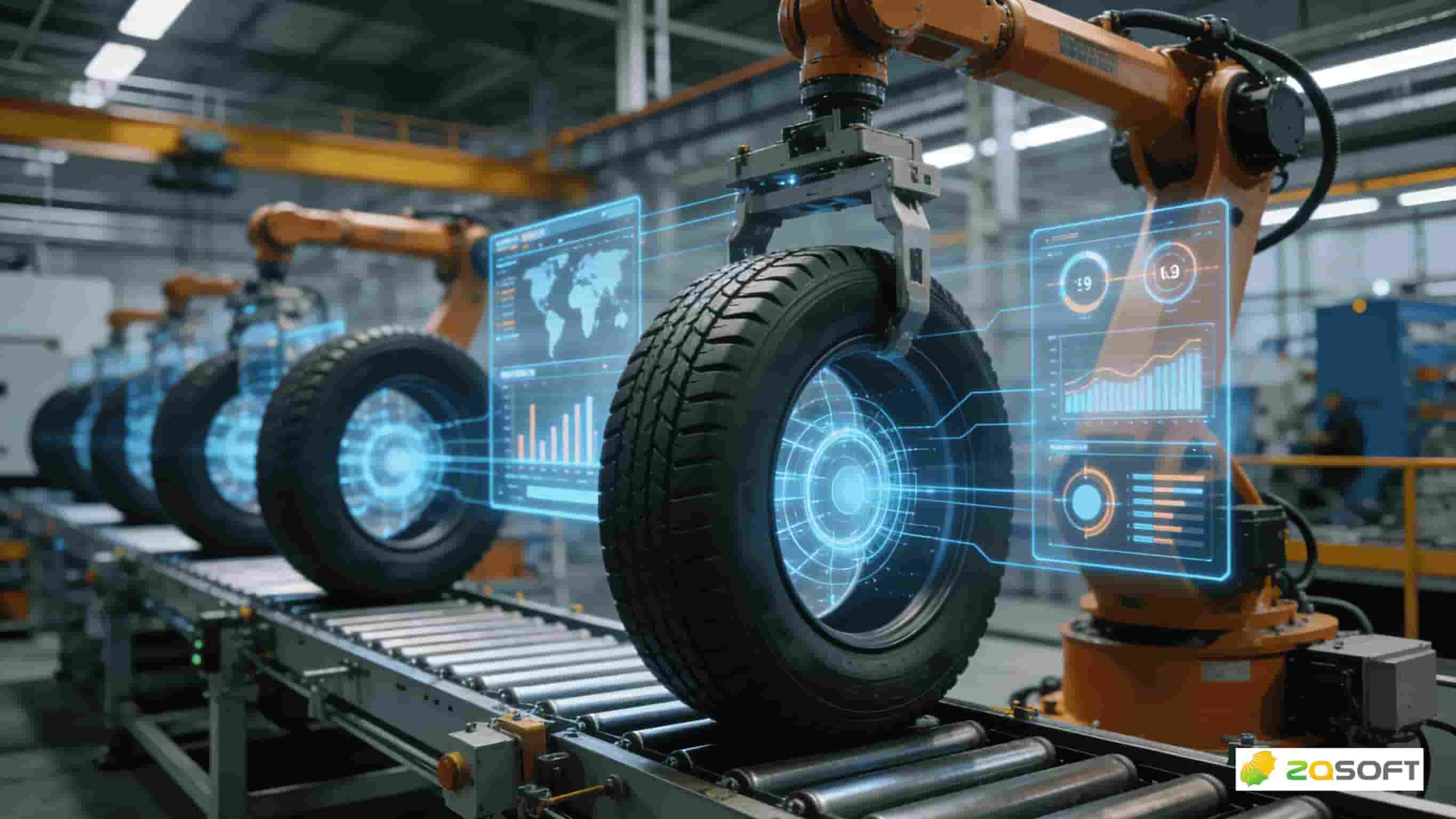
When establishing overseas tire plants, manufacturers face more than production replication challenges. Workforce diversity, cultural differences, and inconsistent management standards often complicate operations. Relying on manual coordination and experience-based management can easily lead to execution gaps and inefficiencies.
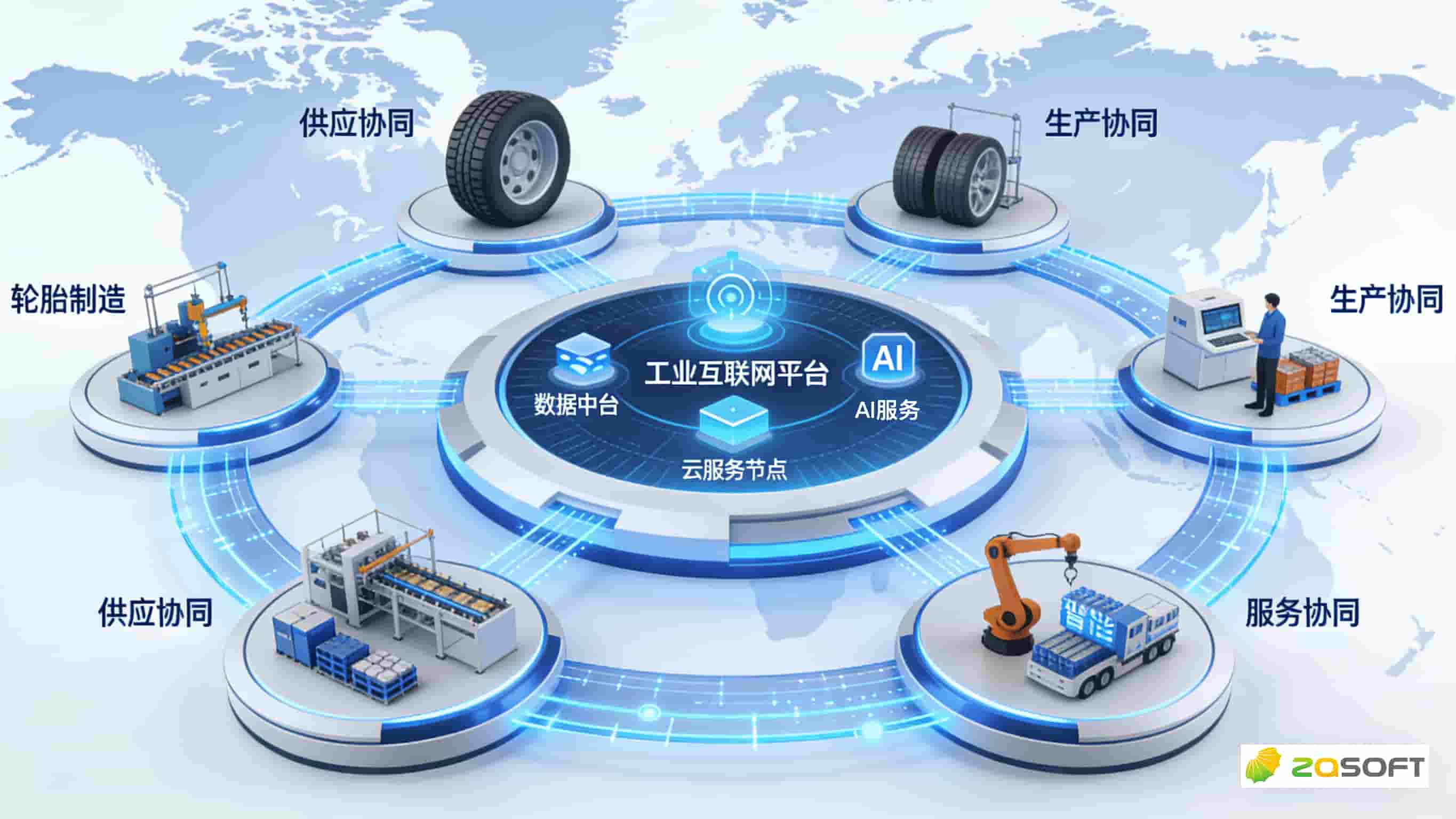
The value of the Industrial Internet goes far beyond equipment connectivity and data collection—it lies in breaking down operational silos and enabling collaboration across departments and plants. For tire manufacturers operating multiple production lines or facilities, standalone systems can no longer support group-level management.
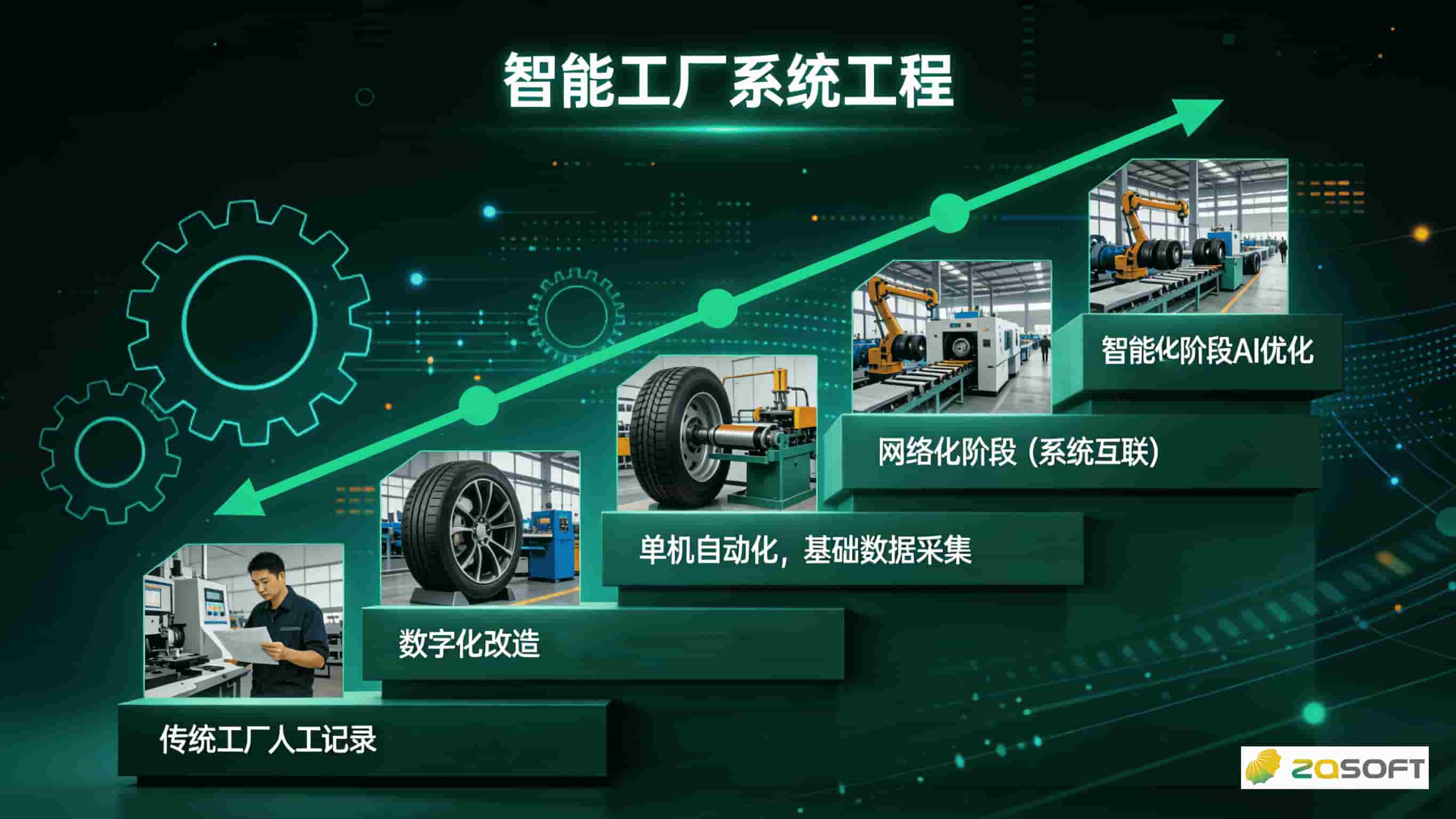
When building intelligent factories, many tire manufacturers fall into a common trap: attempting to achieve full automation and intelligence through large-scale system deployment in a single step.
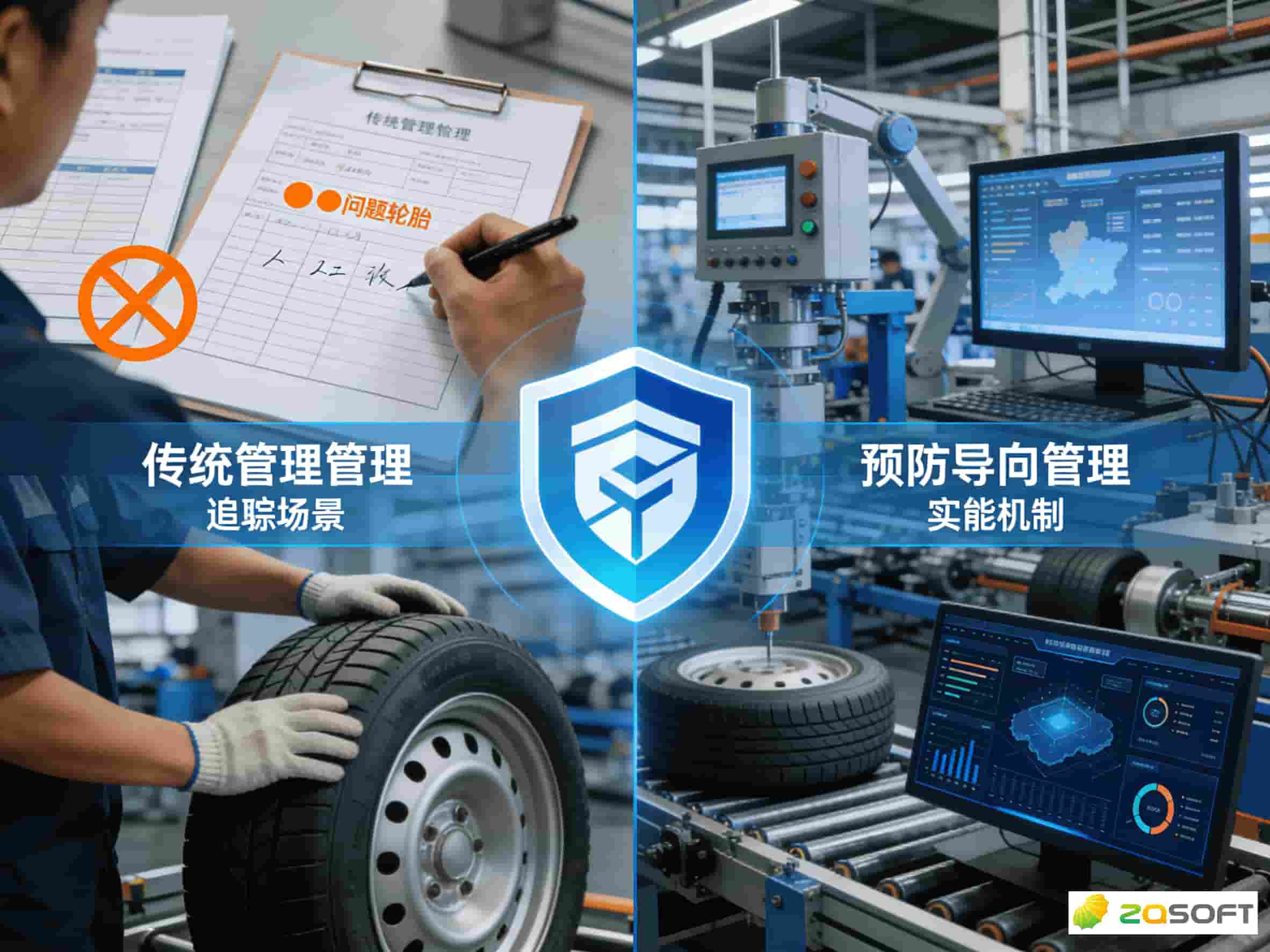
Quality issues in tire manufacturing are often hidden and cumulative. Defects generated in early processes may go unnoticed and become amplified in later stages, leading to rework or scrap.
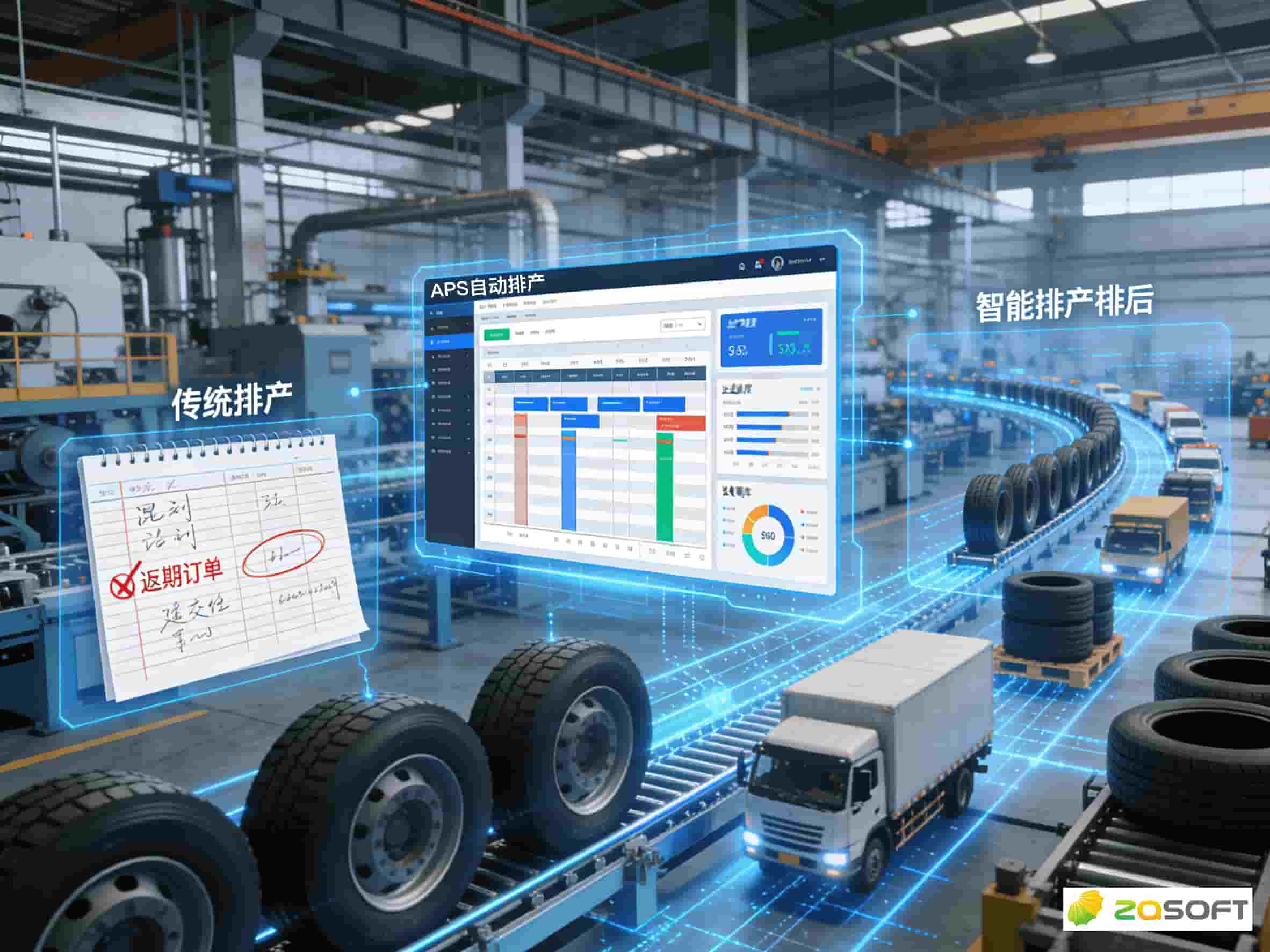
Production scheduling is one of the most challenging tasks in tire manufacturing. With diverse orders, tight delivery timelines, and complex process routes, any change can disrupt the entire production flow. Manual scheduling based on experience is inefficient and often fails to balance capacity, inventory, and delivery commitments.

For many years, production management in tire factories has relied heavily on experience. Schedule adjustments are handled manually, and on-site judgment plays a major role in exception handling. While this approach may work in small-scale, low-complexity environments, risks increase significantly as order diversity grows and delivery timelines tighten.
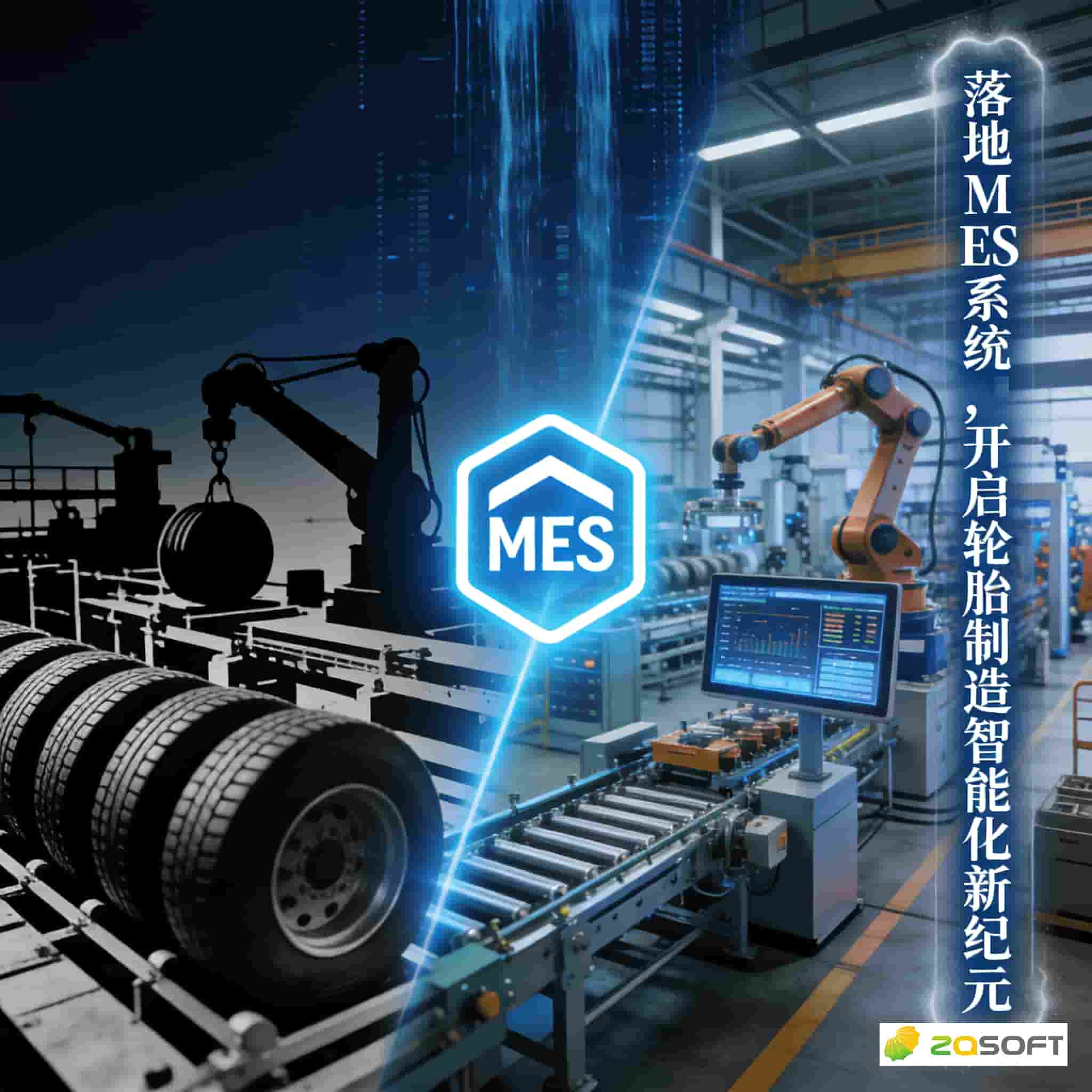
In the tire manufacturing industry, the question is no longer whether to implement an MES system, but whether it can truly be used effectively. Many companies find that after MES deployment, production still relies heavily on manual coordination, data exists but does not support decision-making, and the system fails to deliver real value.
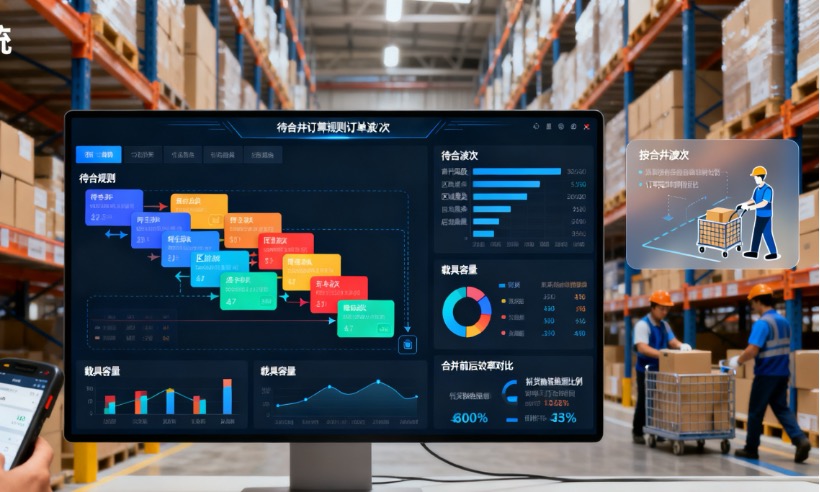
The wave consolidation management of a Warehouse Management System (WMS) performs multi-modal calculations on planning data, inventory data, and resource status through rule definition and algorithm models. It enables the intelligent merging and grouping of orders as well as the creation of wave tasks, serving as the technical core for balancing production execution and material distribution. This approach not only ensures the orderly progress of production but also improves warehouse operation efficiency.

With the increasing popularity of intelligent manufacturing and MES systems, many cutting-edge manufacturing enterprises have put forward higher requirements for MES. They do not meet the traditional MES system's model of document flow and manual recording, and hope that MES can be more "automated" and "intelligent" at the software level.


👇🏻 Click on the link below to jump to:
ZQSOFT - Industrial Internet digital management platform ZQ-EOS product platform Get the Free Plan


1883D6D19D79454E9B3FA44C8F7F50F7.png)